Do Residential Properties Need Backflow Testing?

It's a question that surprises many homeowners: does my house need backflow testing? The assumption is often that backflow prevention is a commercial thing — something for factories, hospitals, and high-rises. But residential properties across the country are required to have backflow devices and annual testing.
Whether your home needs it depends on a few factors. Let's walk through them.
The Short Answer
If your property has a backflow prevention device installed, it needs to be tested annually. No exceptions.
The more interesting question is whether your property has a device — or should have one. That depends on your local water utility's cross-connection control program, the specifics of your plumbing system, and when your home was built or last modified.
Which Residential Properties Typically Have Backflow Devices?
Here are the most common situations where a residential property will have a backflow preventer:
Homes With Irrigation Systems
This is the most common trigger for residential backflow device installation. In-ground irrigation systems create a direct cross-connection between the potable water supply and the ground (where fertilizers, pesticides, and bacteria live). Most building codes and water utility requirements mandate a backflow prevention device on the irrigation supply line.
The typical device for residential irrigation is a Pressure Vacuum Breaker (PVB) or Double Check Valve Assembly (DCVA), depending on local requirements. Some high-hazard situations (like irrigation systems with chemical injection for fertilizers) may require an RPZ assembly.
Homes With Swimming Pools or Hot Tubs
Automatic pool fill valves create a cross-connection between potable water and chemically treated pool water. Many jurisdictions require backflow prevention on pool fill lines, especially those with automatic fill mechanisms.
Homes With Fire Sprinkler Systems
Residential fire sprinkler systems are increasingly common in new construction. Because the water sitting in sprinkler pipes may stagnate and develop bacterial contamination over time, many utilities require backflow prevention on the sprinkler supply line.
Homes With Auxiliary Water Sources
If your property has a well, rainwater collection system, or any non-potable water source that's connected to the plumbing system (even indirectly), a backflow device may be required to prevent contamination of the public supply.
Homes With Boilers or Radiant Heating
Radiant floor heating and hydronic heating systems that connect to the domestic water supply require protection against backflow of heating system water (which may contain treatment chemicals).
New Construction
Many municipalities now require backflow prevention devices on all new residential water service connections, regardless of whether specific cross-connections exist. This is a proactive approach — the device is installed at the meter before any interior plumbing is connected.
How to Check If Your Property Has a Device
If you're not sure whether you have a backflow prevention device, here's how to find out:
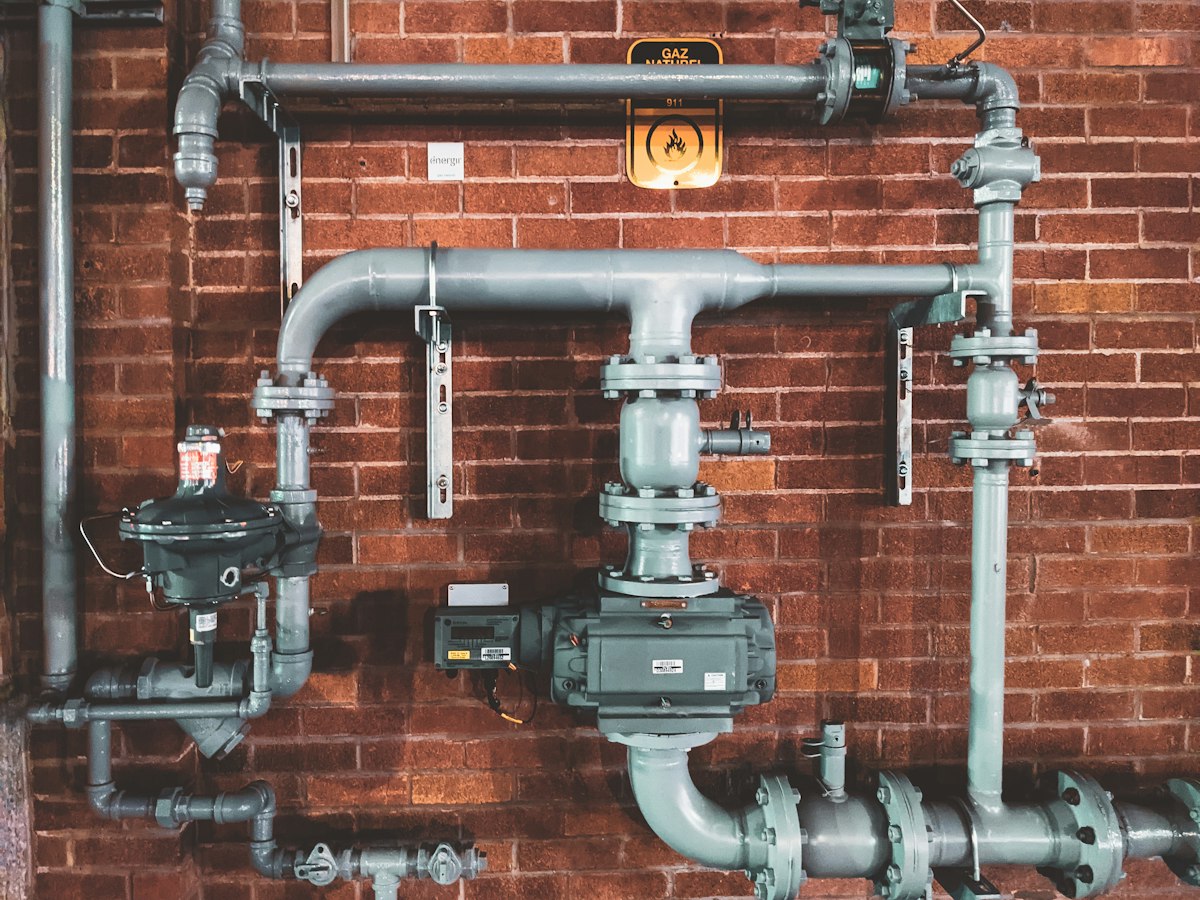
Look near your water meter. Most residential backflow devices are installed at or near the water meter, often in a below-grade vault or above-ground near the exterior wall. The device looks like a brass or bronze assembly with test ports (small valve handles or plugs) on it.
Check near your irrigation system control valves. If you have an irrigation system, the backflow device is typically installed on the supply line between your main water line and the irrigation system valves. PVBs are usually mounted above ground on a pipe stub.
Contact your water utility. Call your utility's cross-connection control department and ask about your property. They can tell you whether they have a backflow device on file for your address and when it was last tested.
Check your home inspection report. If you recently purchased your home, the inspection report may reference a backflow prevention device.
Ask a plumber. If all else fails, a licensed plumber can inspect your property and identify any installed backflow prevention devices.
What If Your Home Doesn't Currently Have a Device?
Not having a backflow device doesn't necessarily mean you don't need one. There are several scenarios where a device may be required but hasn't been installed:
- Older homes that predated current cross-connection control requirements
- Remodeled homes where irrigation, pools, or other systems were added without triggering a cross-connection survey
- Properties in areas where the utility is expanding its cross-connection control program
If your utility determines that your property needs a backflow device, they'll notify you and specify the type and installation requirements. Installation is the property owner's responsibility and cost.
The Cost of Residential Backflow Testing
For homeowners with a single residential backflow device, here's what to expect:
- Annual test: $75 - $200 (depending on location and device type)
- PVB devices: Usually at the lower end ($75 - $125)
- DCVA devices: Mid-range ($100 - $175)
- RPZ assemblies: Higher end ($125 - $250)
If the device fails and needs repair:
- Minor repairs (seal replacement, cleaning): $50 - $150 in addition to the test fee
- Major repairs (component replacement): $150 - $350
- Full device replacement: $300 - $1,500+ including installation (varies by device type and size)
Common Misconceptions
"My home is too small to need backflow testing"
Size doesn't matter. A studio apartment with a sprinkler system needs the same protection as a 5,000 sq ft home. The requirement is based on the presence of cross-connections, not property size.
"I don't have a backflow device, so I don't need testing"
Correct — if there's no device, there's nothing to test. But if your property has cross-connections that should be protected (irrigation, pool, etc.), you may need to install one. Check with your utility.
"Backflow testing is just for commercial properties"
Residential properties represent a significant portion of the backflow testing workload for most utilities. Cross-connections are everywhere — homes included.
"I can test it myself"
No. Backflow testing must be performed by a certified professional with calibrated equipment. DIY testing isn't accepted by any utility. For more on what proper testing involves, read understanding your backflow test report.
"The city should pay for it"
The cost of backflow testing is the property owner's responsibility. The device protects against contamination from your property's plumbing — so the maintenance cost falls on you, similar to maintaining your side of the water service line.
When Your Utility Contacts You
If you receive a notice about backflow testing from your water utility, it means:
- They have a backflow device on record for your property
- That device is due for its annual test
- You have a deadline to complete the test and submit results
Don't ignore it. These notices are legally binding compliance requirements. For a full walkthrough of the process, read what happens after you get a backflow test notice.
The Bottom Line
Residential backflow testing is required for any home with an installed backflow prevention device — and more homes have them than most people realize. The most common triggers are irrigation systems, pools, sprinkler systems, and new construction requirements.
If you're not sure about your property, check near your water meter and irrigation valves, or call your utility. And if you know you have a device and it's due for testing, find a certified tester near you to stay in compliance.
For more on the testing process and what your results mean, explore our Learning Center.
Sources
This article references guidance and regulations from authoritative sources including:
- U.S. Environmental Protection Agency (EPA) - Safe Drinking Water Act — Federal framework requiring cross-connection control for all public water system connections, including residential
- American Water Works Association (AWWA) - Manual M14: Backflow Prevention and Cross-Connection Control — Guidance on residential cross-connection assessment and device requirements
- USC Foundation for Cross-Connection Control and Hydraulic Research - Manual of Cross-Connection Control — Technical reference for residential backflow hazard assessment
- Centers for Disease Control and Prevention (CDC) - Cross-Connection Control and Backflow Prevention — Public health guidance applicable to residential water systems
Last updated: March 6, 2026