Signs Your Backflow Preventer Is Failing
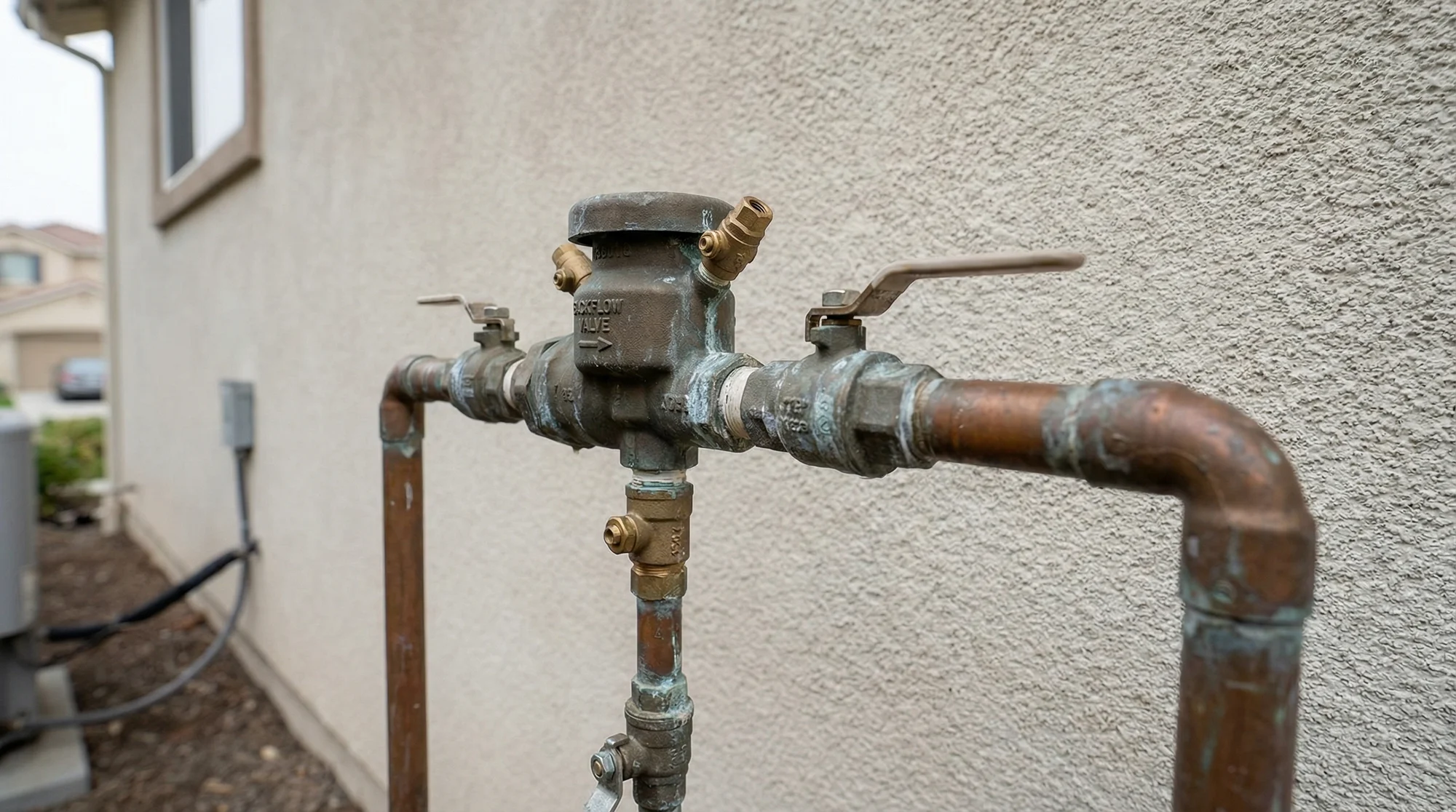
A backflow preventer does one straightforward job: it stops contaminated water from flowing backward into the clean water supply. When it works, you never think about it. When it starts to fail, the signs can be subtle at first, then impossible to ignore. Knowing what to look for can save you from costly repairs, water damage, and potential health risks.
What a Backflow Preventer Actually Does
Your property's plumbing connects to the public water supply. Under normal conditions, water pressure keeps everything flowing in one direction: from the utility main into your building. But pressure drops happen. A water main break, heavy fire hydrant use, or even a sudden demand spike can cause pressure to reverse momentarily. Without a working backflow preventer, that reversal can pull irrigation chemicals, stagnant water, or other contaminants back into the drinking water system.
The EPA identifies cross-connection control and backflow prevention as a key line of defense against contaminants entering public drinking water systems. Most water utilities and many state and local programs require backflow preventers on properties that pose a cross-connection risk, and they typically require those devices to be tested every year.
If your property has an irrigation system, a boiler, a fire suppression system, or any connection where non-potable water could contact the supply line, there is a good chance you already have a backflow preventer installed somewhere on your property.
Most residential backflow preventers are installed near the water meter or along an exterior wall.
Warning Signs That Something Is Wrong
Not every failing backflow preventer announces itself with a dramatic leak. Here are the most common signs that your device may need attention.
Discolored or Odd-Tasting Water
If your tap water suddenly looks rusty, yellowish, or has an unusual taste or smell, that could indicate contaminated water is getting past your backflow preventer. This is especially concerning if the change happens after a known pressure event in your area, like a water main repair or hydrant flushing. Discolored water has many possible causes, but a failing backflow device should be on the list.
Visible Leaking Around the Device
A backflow preventer that drips constantly or pools water around its base is telling you something. Small, intermittent drips from the relief valve can be normal for certain device types, like reduced pressure zone assemblies. Steady or heavy leaking usually means an internal component has worn out. Seals, springs, and check valves inside these devices degrade over time.
Reduced Water Pressure
A noticeable drop in water pressure throughout your property can signal a partially stuck or failed check valve inside the backflow preventer. The device is still in the water line, so when internal parts fail, they can restrict flow. If you have ruled out other causes, like a partially closed shut-off valve or a utility-side issue, the backflow device is worth investigating.
Strange Noises in the Plumbing
Hammering, clanking, or gurgling sounds near the backflow preventer or in connected pipes can indicate that check valves inside the device are not seating properly. Water slamming against a partially closed or stuck valve creates noise that travels through pipes.
The Device Fails Its Annual Test
This is the most definitive sign. A certified tester uses gauges to measure whether the internal valves hold pressure correctly. If the device fails, it means contaminated water could potentially backflow into the supply. Many property owners discover their device is failing only during the required annual test, which is one reason that test matters so much.
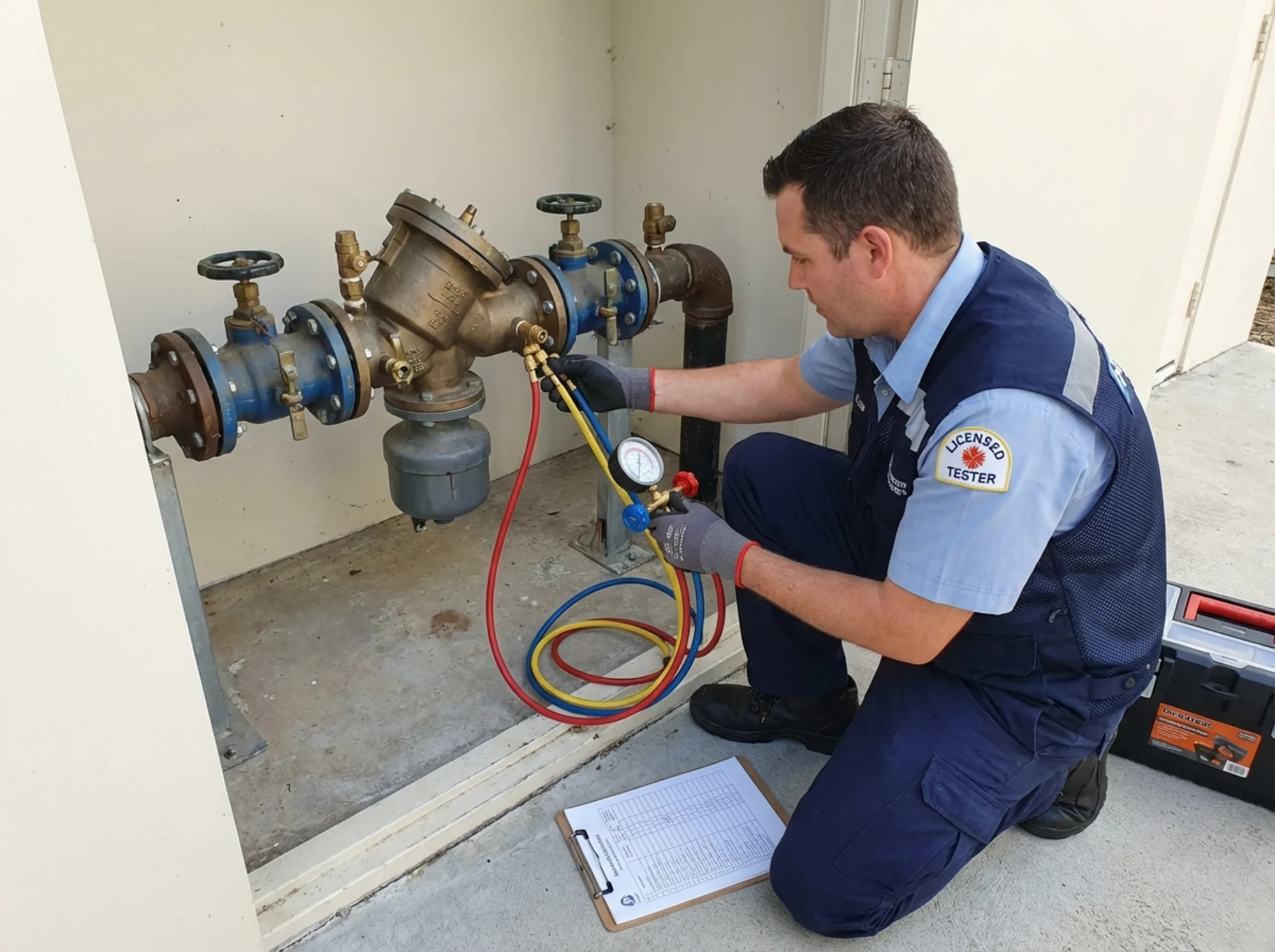 Annual testing catches problems that are not obvious from the outside.
Why You Should Not Ignore These Signs
A failing backflow preventer is not just a plumbing inconvenience. It is a water quality issue. The American Water Works Association (AWWA) emphasizes that cross-connection control and backflow prevention programs exist to protect water quality and public health for entire communities, not just individual properties.
There are practical consequences too. Many utilities require a passing annual test report for assemblies that fall under their backflow program. Seattle Public Utilities, for example, requires annual testing under Washington State law and says assemblies must be tested by a state-certified Backflow Assembly Tester. East Valley Water District in California requires annual testing and maintenance of installed backflow devices as part of state and local rules. Requirements vary by location, so check with your water utility or visit our state-specific pages to understand what may apply to your property.
The bottom line: if you are seeing any of the warning signs listed above, do not wait for your next scheduled test.
What You Can Do and What You Should Leave to a Professional
There are a few things you can do as a property owner, and clear limits on where professional help is needed.
What you can do:
- Look at the device periodically. Check for visible leaks, corrosion, or physical damage. You do not need special tools for a visual inspection.
- Keep the area clear. Make sure landscaping, storage, or debris is not blocking access to the device. Testers need room to work. Our guide on how to prepare your property for a backflow test walks through the details.
- Know where your device is. If you do not know whether you have a backflow preventer or where it is located, your water utility can usually help you identify it.
- Track your testing schedule. If your utility or local program requires annual testing, keep records of when tests were completed and set a reminder for the next one.
What requires a professional:
- Testing the device. Backflow testing requires calibrated gauges and specific training. Many jurisdictions require testers to hold a state or local certification. You cannot self-certify a test result.
- Repairing or replacing the device. Internal repairs involve springs, seals, and check valves that need to be matched to the specific make and model. Improper repairs can make things worse.
- Determining what type of device you need. If you are building, renovating, or changing your water use, like adding an irrigation system, a qualified professional can help identify the right level of protection.
If you are not sure whether your device needs attention, the safest step is to schedule a test. A passing result gives you peace of mind. A failing result gives you a clear path to repair.
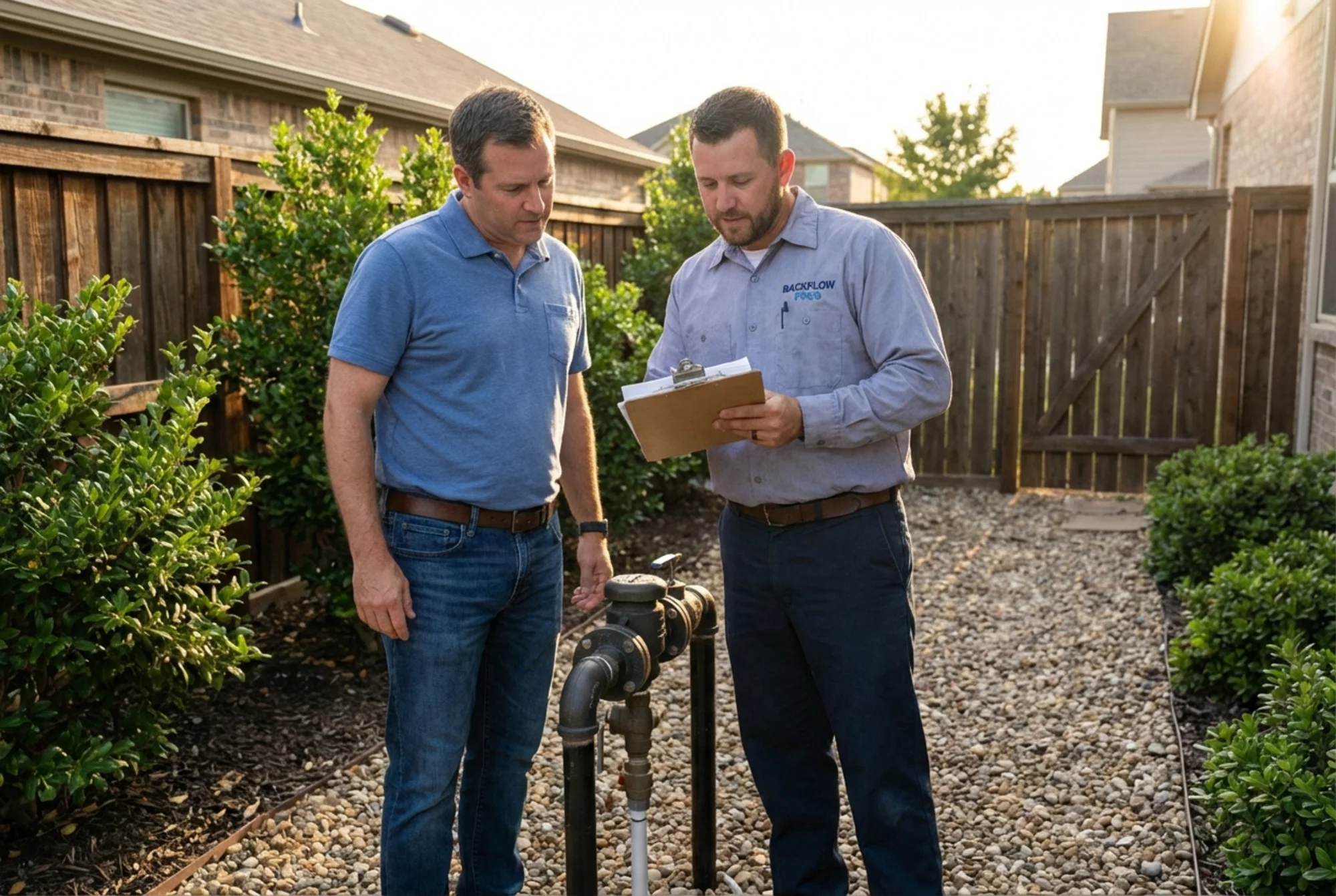 A qualified tester can assess your device and explain the next steps.
What to Do Next
- If you are seeing warning signs now: Contact a backflow testing professional to inspect and test the device. Do not attempt to disassemble or repair it yourself.
- If you are overdue for annual testing: Many utilities send reminders, but not all do. If it has been more than 12 months since your last test, schedule one soon.
- If you are not sure what is required in your area: Check with your water utility directly, or browse our FAQ and state pages like Texas or California for general guidance on testing requirements.
- To find a qualified tester near you: Use our Find a Tester tool to connect with backflow testing professionals in your area. Verify that any tester you hire meets your local or state certification requirements.
Backflow prevention is one of those quiet systems that protects your health every day without asking for much in return. A little attention each year is a small price for safe, clean water.
Sources
This article references guidance and regulations from authoritative sources including:
- U.S. Environmental Protection Agency (EPA) - Cross-Connection Control Manual
- U.S. Environmental Protection Agency (EPA) - Through Cross-Connection Control and Backflow Prevention
- Seattle Public Utilities - Backflow Assembly Testing
- East Valley Water District - Backflow Prevention
- Indiana Department of Environmental Management - Cross Connection Control & Backflow Prevention Manual
- American Water Works Association (AWWA) - Cross Connection Policy Statement Last updated: April 6, 2026