North Carolina Backflow Prevention Rules: Charlotte and Raleigh P
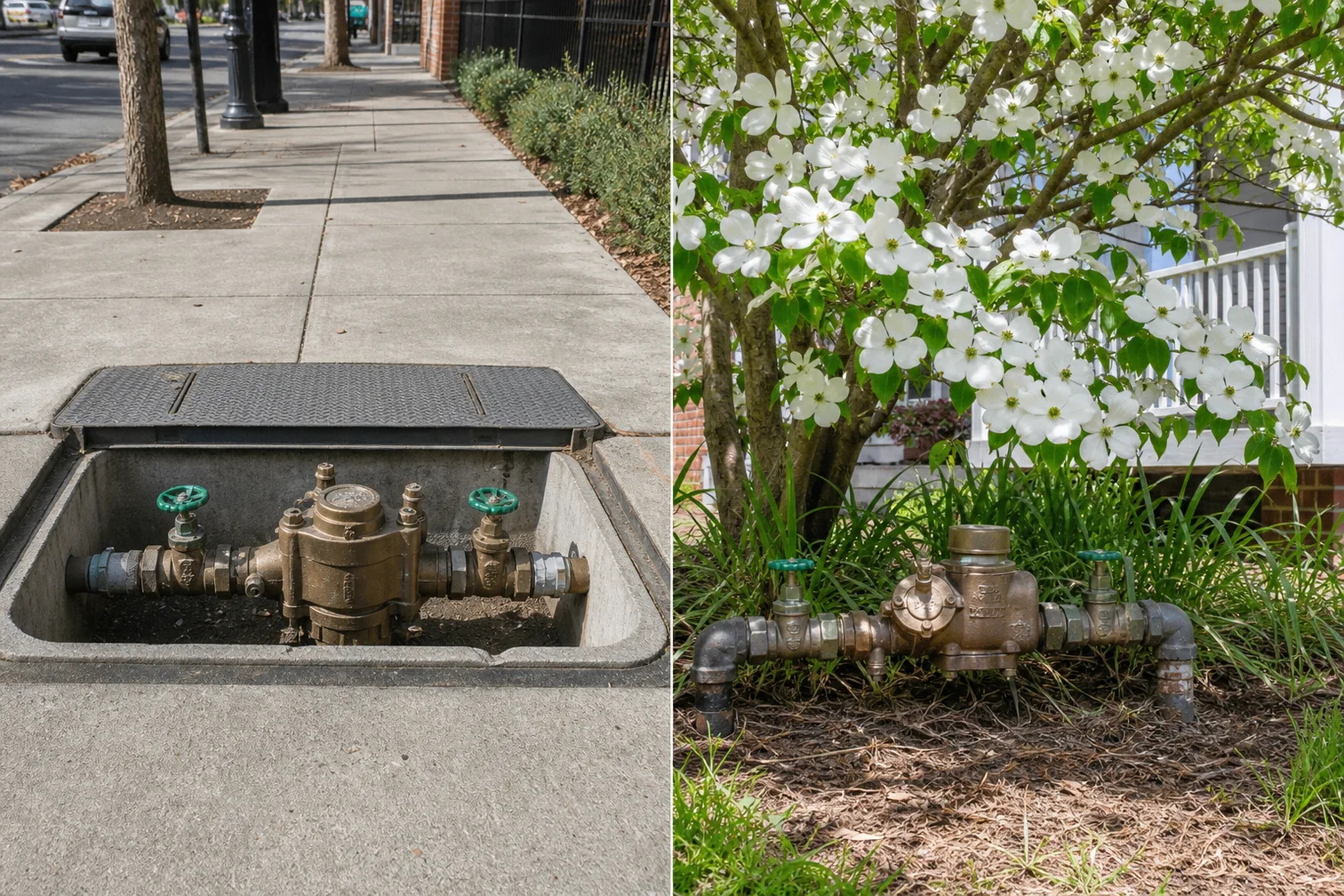
North Carolina Backflow Prevention Rules: Charlotte and Raleigh Programs Compared
If you own property in North Carolina with an irrigation system, a fire sprinkler line, or any commercial plumbing, there's a good chance your water utility expects you to test a backflow preventer once a year. The state sets the baseline rules, but the day-to-day enforcement happens at the local level. That means the way Charlotte handles backflow testing isn't quite the same as the way Raleigh does it.
This guide walks through what North Carolina requires statewide, then compares how Charlotte Water and the City of Raleigh run their cross-connection control programs. If you manage property in both metros, or you're just trying to figure out who to call and when, this should clear things up.
What North Carolina Requires Statewide
North Carolina's backflow rules come from the state plumbing code, which is based on the International Plumbing Code with state-specific amendments. The code requires backflow prevention assemblies wherever there's a cross-connection that could let contaminated water flow back into the public drinking water supply.
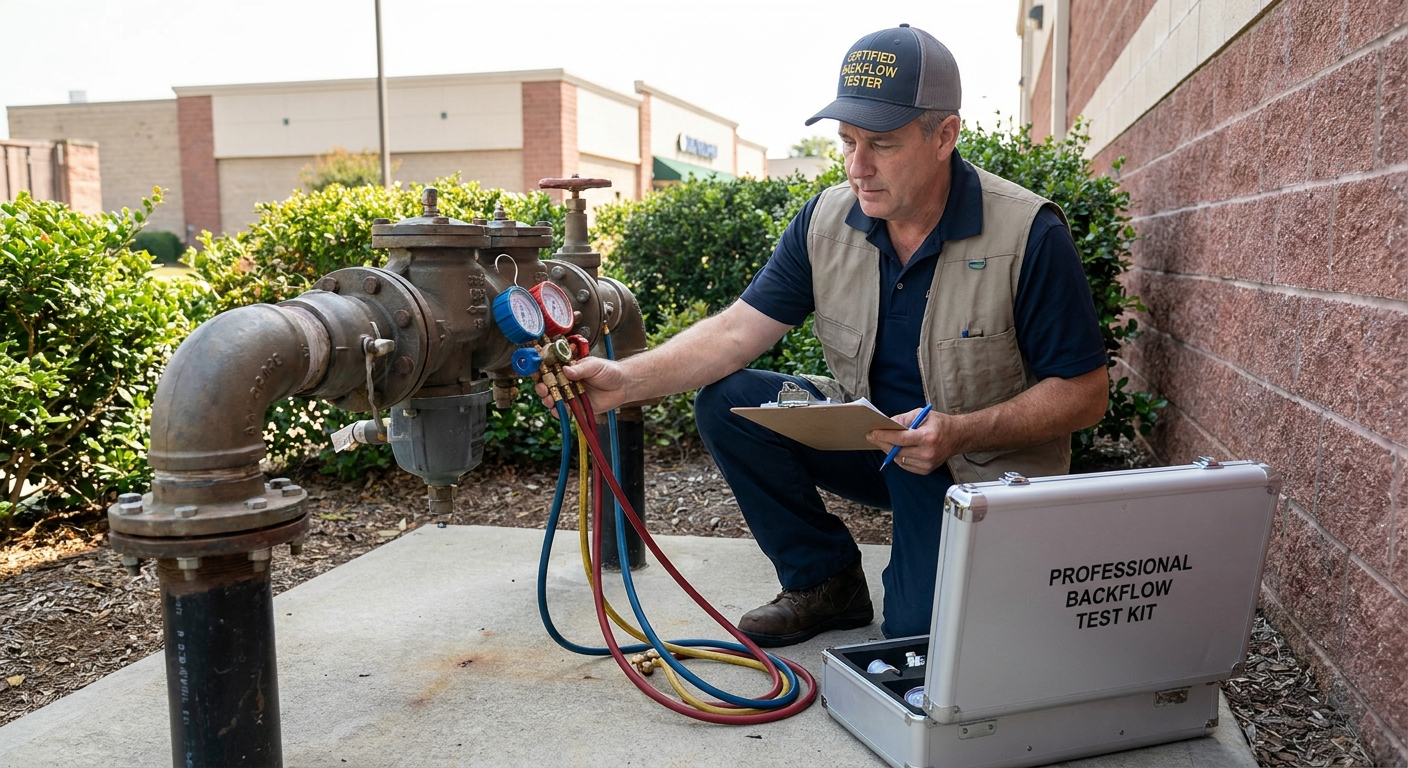 Backflow preventer assembly installed outside residential property
The state also operates under federal Safe Drinking Water Act requirements. The EPA holds public water systems responsible for protecting the distribution system from contamination, and utilities pass that responsibility down to property owners through local cross-connection control ordinances.
Here's the part that catches people off guard: North Carolina does not run a single statewide backflow testing program. Instead, each public water system is required to have its own cross-connection control program. So the testing frequency, the paperwork, the deadlines, and the approved tester list all depend on which utility serves your address.
A few things are consistent across the state:
- Testable assemblies (reduced pressure assemblies and double check assemblies) must be tested at installation and at least once a year after that.
- Testing has to be done by a certified tester. North Carolina recognizes certification through organizations like ASSE, the American Backflow Prevention Association (ABPA), and the University of Florida TREEO Center.
- Test gauges used for the job must be calibrated, usually on an annual basis.
Everything beyond that baseline is set locally. That's where Charlotte and Raleigh start to differ.
Charlotte Water's Cross-Connection Control Program
Charlotte Water (sometimes still called CMUD, its old name) serves Charlotte and most of Mecklenburg County, plus parts of the surrounding towns. It runs one of the larger cross-connection control programs in the state, and it's fairly structured.
If you have a backflow assembly on a Charlotte Water connection, the utility expects an annual test. Charlotte Water uses a third-party tracking system to manage testing records and send out reminders. When your test comes due, you'll typically get a notice telling you the assembly needs to be tested and the results submitted by a specific date.
A few specifics that matter for Charlotte:
- Who can test: Charlotte Water requires testers to be certified and registered with the program. The certified tester submits results directly, so you usually don't have to mail in paperwork yourself.
- Irrigation systems: Lawn irrigation is one of the most common reasons residential and commercial properties end up with a testable assembly in Charlotte. If you installed a sprinkler system, you almost certainly have a backflow preventer that needs annual testing.
- New construction and installation: New assemblies have to be tested when they're installed before the property gets final approval, and the installer or tester reports that initial test.
- Consequences for skipping: Charlotte Water can take enforcement action for non-compliance, and in serious cases that can include water service termination. Most people never get close to that, but ignoring repeated notices is what triggers it.
Charlotte's program leans on the reminder-and-deadline model. You get notified, you hire a certified tester, the tester files the report, and you're done for another year. The burden is mostly on staying on top of the notices.
The City of Raleigh's Backflow Program
The City of Raleigh Public Utilities Department serves Raleigh and several nearby towns, including Garner, Knightdale, Rolesville, Wake Forest, Wendell, and Zebulon through wholesale and merger agreements. So the Raleigh program actually covers a chunk of Wake County beyond the city limits.
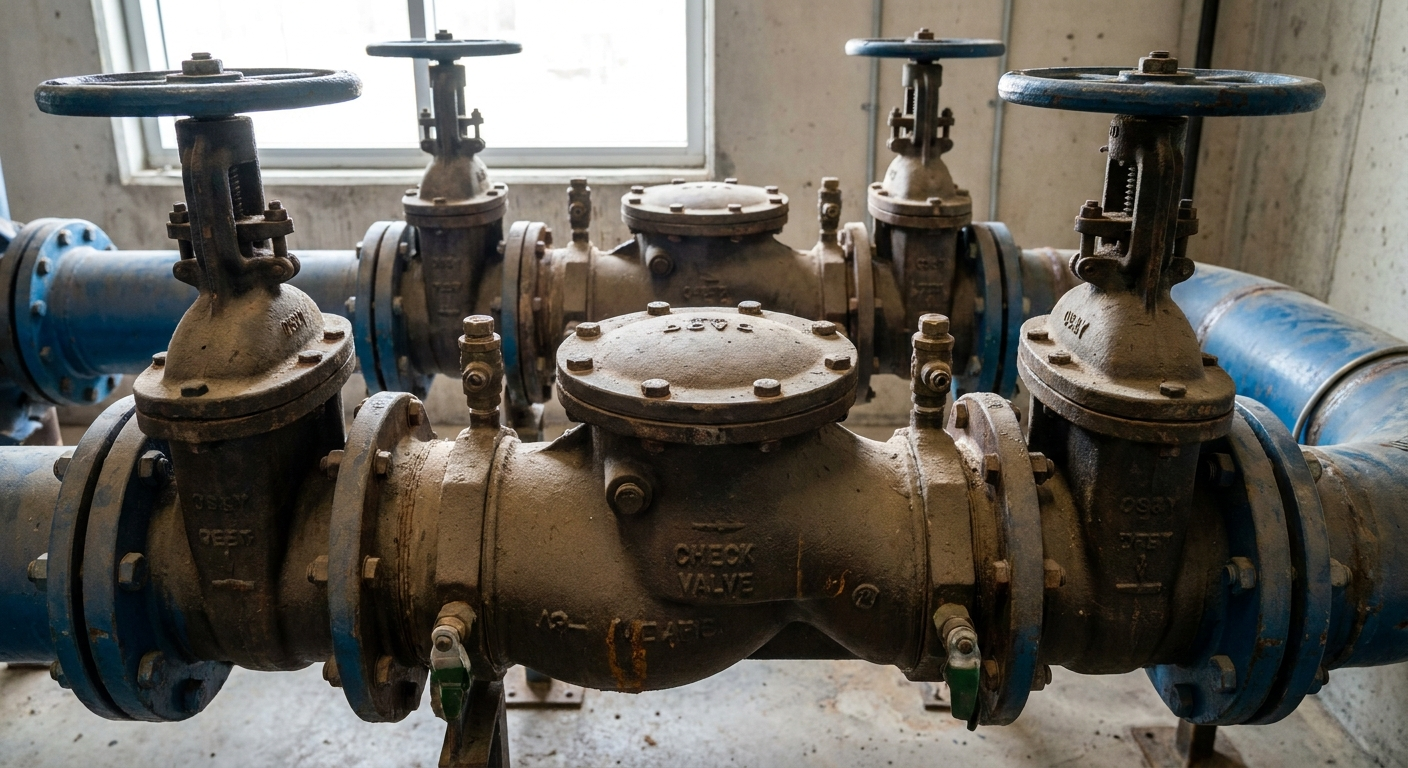 Certified tester inspecting backflow prevention device during annual test
Raleigh's cross-connection control program also requires annual testing of backflow assemblies, but there are a few differences in how it's run compared to Charlotte.
- Annual testing and reporting: Like Charlotte, Raleigh requires testable assemblies to be tested every year by a certified tester, with results submitted to the city.
- Tester certification: Raleigh requires testers to hold a current certification and to use calibrated gauges. The tester submits the test report on your behalf.
- Containment focus: Raleigh, like most NC utilities, focuses on containment protection, meaning the assembly at or near the meter that protects the public main. Internal plumbing protection is handled through the plumbing code and inspections.
- Service areas outside Raleigh proper: Because Raleigh serves so many merged towns, your "utility" might say Garner or Wake Forest on the sign, but the backflow program rules trace back to Raleigh Public Utilities. This trips up property managers who assume each town runs its own program.
One practical note: because Raleigh covers multiple jurisdictions, confirm which set of contacts handles your specific address. The testing requirement is the same, but the submission process and local inspection contacts can vary by town.
Charlotte vs. Raleigh: The Key Differences
Both cities require the same core thing, an annual test by a certified tester. The differences are in the details:
| Item | Charlotte Water | City of Raleigh |
|---|---|---|
| Annual testing required | Yes | Yes |
| Certified tester required | Yes | Yes |
| Tester submits results | Yes | Yes |
| Service area | Charlotte + Mecklenburg County | Raleigh + several merged Wake County towns |
| Common trigger | Irrigation systems, commercial | Irrigation systems, commercial |
| Reminder system | Third-party tracking with notices | City-managed notices |
The biggest practical difference isn't the rules, it's the geography. Charlotte's program is mostly contained to one county. Raleigh's program reaches across many towns that merged their water systems into the city's. If you own property in, say, Wake Forest, you might not realize your backflow paperwork goes through Raleigh.
The other difference is enforcement tone. Both utilities can shut off water for non-compliance, but Charlotte's larger, more automated program tends to send more frequent and more formal reminders. Raleigh's process can feel a bit more manual depending on which merged town you're in.
What This Means for Property Owners and Managers
If you own or manage property in either metro, here's the short version of what you need to do:
- Find out if you have a testable assembly. If you have irrigation, a fire line, a boiler, or most commercial plumbing, you probably do. A quick look near your water meter or irrigation control valve usually settles it.
- Know your annual deadline. Both cities work on a yearly cycle. Don't wait for the shutoff notice. Mark the date.
- Hire a certified, registered tester. This is not optional. Both Charlotte and Raleigh only accept results from testers who are certified and recognized by the program. The tester also handles submitting your results.
- Keep your own copy of the test report. Even though the tester files it, holding your own record saves headaches if there's ever a dispute about whether you tested on time.
- If you have property in multiple towns, track each one separately. A passing test in Charlotte does nothing for your Raleigh property, and vice versa. Each assembly is on its own clock.
Common Mistakes to Avoid
A few things trip people up in North Carolina specifically:
- Assuming the plumber who installed your irrigation system also tests it. Installation and annual certification testing are different jobs that often need a certified backflow tester, not just any plumber.
- Ignoring the notice because the assembly "looks fine." Backflow preventers fail internally where you can't see it. The annual test exists because visual inspection doesn't catch a bad check valve or relief valve.
- Letting the gauge calibration lapse. This is a tester problem, not yours, but if you hire someone using an out-of-calibration gauge, the utility can reject the report.
- Forgetting that merged towns run through Raleigh. Worth repeating because it causes the most confusion in the Triangle.
The Bottom Line
North Carolina sets the floor: annual testing, certified testers, calibrated gauges. Charlotte and Raleigh both build on that floor with their own cross-connection control programs. The rules are more alike than different, but the service areas, reminder systems, and submission processes vary enough that you can't assume one city's routine works for the other.
The safest move is simple. Know whether you have a testable assembly, know your annual deadline, and line up a certified tester before the notice arrives. Stay ahead of the cycle and backflow compliance becomes a 30-minute appointment once a year instead of a scramble to avoid a shutoff.
Need a certified backflow tester in Charlotte, Raleigh, or anywhere else in North Carolina? FindBackflowTesters.com lists certified, registered testers by location so you can book the right person for your utility's program and stay compliant without the guesswork. Search your city and get your annual test handled today.
Sources
Need backflow testing soon?
Send one qualified request with your service address, property type, and deadline so local testers have the context they need.