Arizona Backflow Prevention Requirements by City Compared
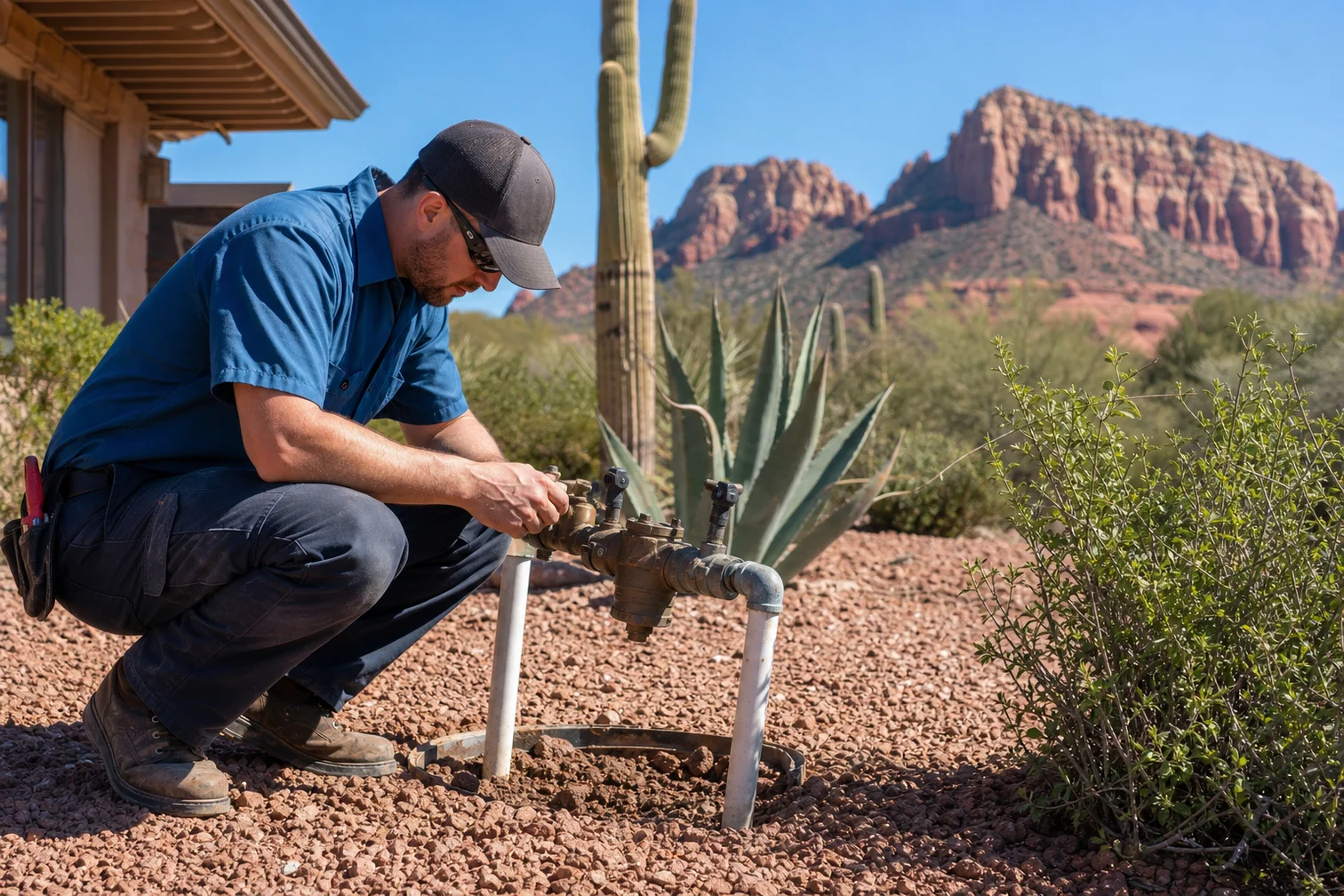
Arizona Backflow Prevention Requirements: Phoenix, Tucson, and Scottsdale Compared
If you own a commercial building, run an irrigation system, or manage a property with a fire sprinkler line anywhere in Arizona, there's a good chance you're responsible for an annual backflow test. The catch is that the rules aren't the same statewide. Phoenix, Tucson, and Scottsdale each run their own cross-connection control program, with different paperwork, different deadlines, and different people you have to send your test report to.
This guide breaks down what's actually required in each of the three big metros, where they overlap, and where they differ. If you've ever gotten a shutoff warning because a report went to the wrong place, this is for you.
Why Arizona Cares So Much About Backflow
Backflow is when water flows the wrong direction through your plumbing, back toward the public water main instead of away from it. It usually happens during a pressure drop, like when a water main breaks or a fire hydrant gets opened nearby. When pressure reverses, whatever's sitting in your irrigation lines, boiler, or industrial equipment can get siphoned back into the drinking water everyone shares.
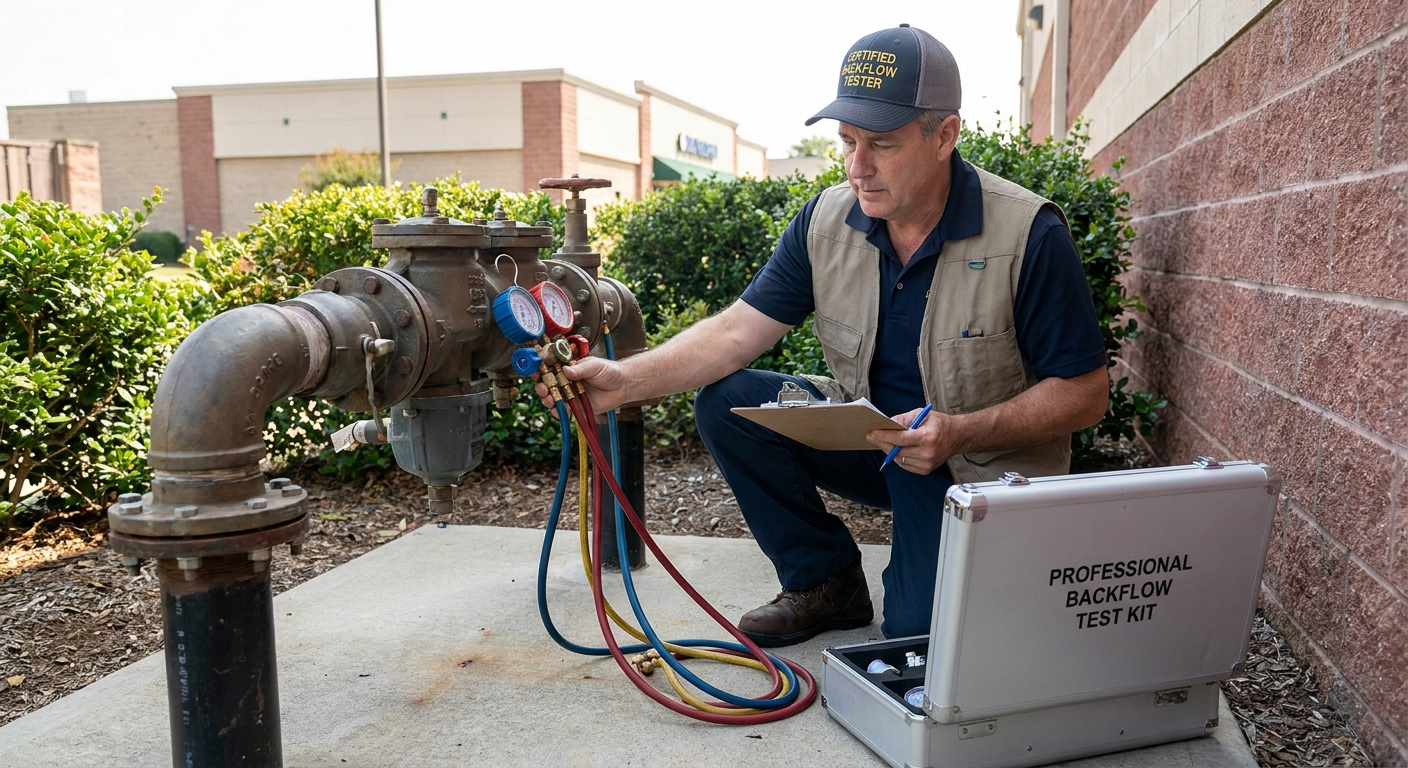 Backflow preventer assembly installed outside residential property
In a desert state that relies heavily on a mix of Colorado River water, groundwater, and reclaimed water, protecting the potable supply is a big deal. That's why Arizona follows the federal Safe Drinking Water Act and leans on the Arizona Department of Environmental Quality (ADEQ) to push cross-connection control down to local water providers. ADEQ sets the floor. Cities build their own programs on top of it.
The practical result: a backflow assembly (the brass device on your water line) has to be tested at least once a year by a certified tester, and the report has to land with the right water authority on time.
The Rules That Apply Everywhere in Arizona
Before we get into city-by-city differences, here's what's true no matter where you are in the state:
- Annual testing is mandatory for testable backflow assemblies on commercial, industrial, irrigation, fire, and many multi-family connections.
- Testers must be certified. Arizona providers generally accept certification from the Arizona Backflow Prevention Association or the American Backflow Prevention Association (ABPA), along with ASSE 5110 credentials. The tester also needs calibrated test gauges, usually recertified annually.
- Approved assemblies only. Cities maintain or reference approved lists, most of which track the USC Foundation for Cross-Connection Control list. A device that's not on the approved list won't pass, even if it holds pressure.
- You, the property owner, are responsible. Not your tester, not your plumber. If the report is late, the notice and the potential water shutoff come to you.
Now, the differences.
Phoenix Backflow Requirements
Phoenix runs one of the largest cross-connection control programs in the Southwest through Phoenix Water Services. If you have a backflow assembly inside city limits, you're in their database whether you realize it or not.
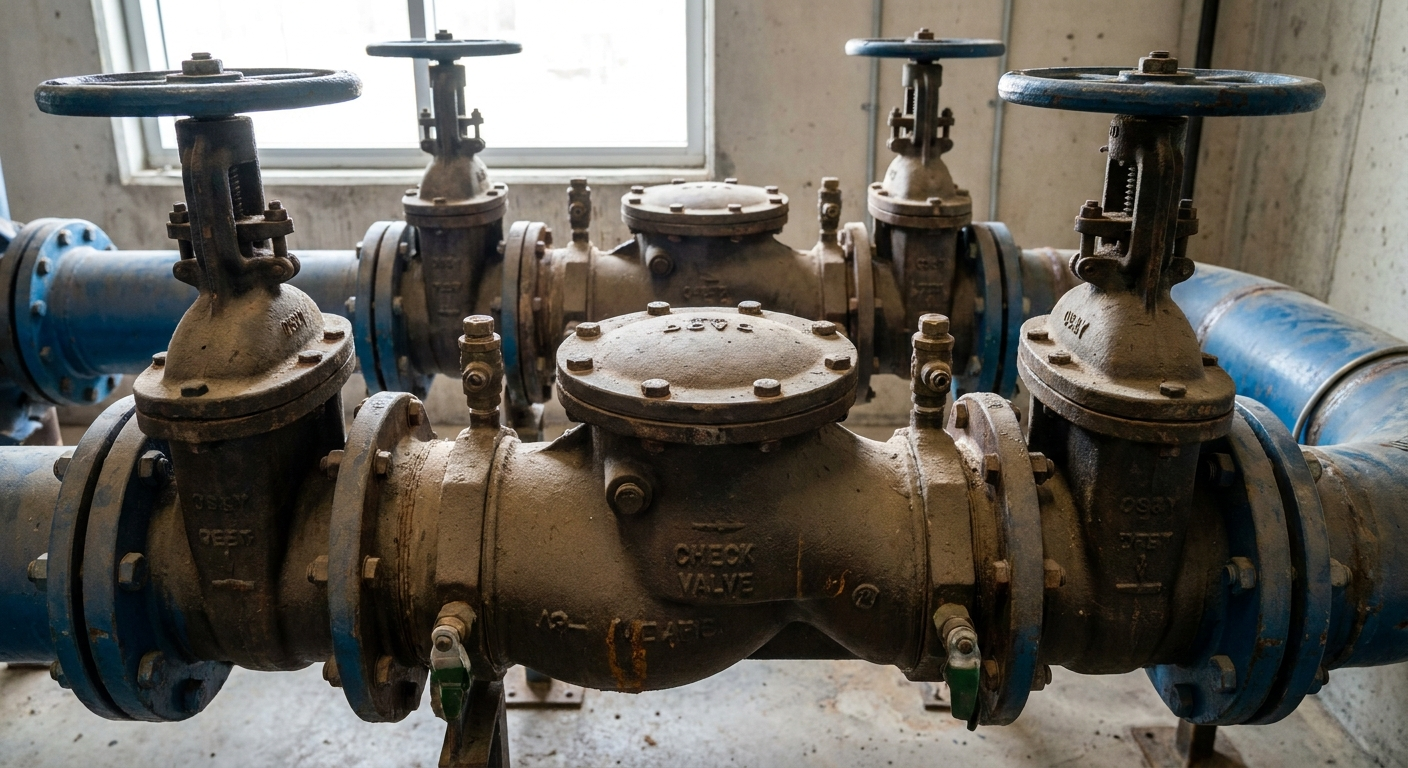 Certified tester inspecting backflow prevention device during annual test
Testing deadline: Phoenix requires testing within 30 days of installation and then annually after that. The city sends notices, but the legal obligation to test on time is yours regardless of whether a notice shows up.
Where the report goes: Phoenix has moved most reporting to an online system. Certified testers typically submit results electronically through the city's backflow reporting portal, and many local testers handle this submission for you as part of the job. Always confirm your tester actually filed it. A passed test that never gets reported is, as far as the city is concerned, a failed obligation.
What gets enforced: Phoenix will issue a notice of noncompliance for a missed test. Keep ignoring it and the city can terminate water service until you're back in compliance. For a restaurant or medical office, that's not a risk worth taking over a $40 test.
A Phoenix-specific note: the city pays close attention to recycled and reclaimed water connections, common on large landscape and HOA properties. Those often require a reduced pressure principle (RP) assembly, the highest-protection device, rather than a simpler double check.
Tucson Backflow Requirements
Tucson Water serves the Tucson metro and runs its cross-connection control program with its own staff and its own forms. The bones are the same as Phoenix, annual testing by a certified tester, but the administration differs.
Testing deadline: Annual testing is required, with new assemblies tested at installation. Tucson Water tracks due dates by assembly and sends test notices to the customer of record.
Where the report goes: Tucson Water has historically accepted test reports through its own submission process, and the utility maintains the master record of which assemblies are due. Tucson is also known for keeping a tight list of which testers it recognizes, so using a tester who's already registered with Tucson Water saves you a paperwork headache.
Groundwater and recharge angle: Tucson relies heavily on groundwater and managed recharge through the Central Arizona Project. The city has long been aggressive about protecting wells and recharge basins, so industrial and irrigation connections get real scrutiny here. If you run a property with chemical injection, cooling towers, or large irrigation, expect an RP assembly requirement.
Enforcement: Like Phoenix, Tucson Water can shut off service for continued noncompliance. The utility generally works through warning notices first, but the endpoint is the same.
Scottsdale Backflow Requirements
Scottsdale is the one people get tripped up on, because it's a separate water utility from Phoenix even though the two cities blend together on a map. Scottsdale Water runs its own cross-connection control program, and a Phoenix report does you no good here.
Testing deadline: Annual testing, with new installs tested right away. Scottsdale Water maintains its own inventory of assemblies and notifies the customer when a test is due.
Where the report goes: Reports go to Scottsdale Water, not Phoenix, even if your property is a block from the city line. This is the single most common mistake in the Scottsdale-Phoenix corridor: a tester submits to the wrong city's system and the property owner gets flagged as noncompliant months later. If your address is in Scottsdale, confirm your tester is submitting to Scottsdale Water specifically.
Heavy landscape and HOA focus: Scottsdale has a huge volume of golf courses, resorts, and HOA-managed common areas, almost all of which run large irrigation systems on reclaimed or untreated water. Those connections almost always require RP assemblies and get tested on a strict annual cycle. Property managers running multiple HOA assemblies should keep a single calendar of due dates, because Scottsdale tracks each device separately.
Phoenix vs. Tucson vs. Scottsdale: Side by Side
Here's the short version if you just need the differences:
- Who you report to: Phoenix Water Services, Tucson Water, or Scottsdale Water. These are three separate programs. The biggest enforcement problems happen when someone assumes a metro-area address means Phoenix.
- Testing frequency: All three require annual testing plus a test at installation. No difference here.
- Submission method: Phoenix has pushed hard toward online portal submission. Tucson and Scottsdale maintain their own utility-run reporting. Always verify the report was actually received, not just performed.
- Device requirements: All three lean on the USC approved list and require RP assemblies for high-hazard and reclaimed-water connections. Tucson and Scottsdale tend to be especially strict on irrigation and reclaimed-water lines because of how much of their landscape water is non-potable.
- Enforcement: All three can terminate water service for ongoing noncompliance. None of them are bluffing about it.
The takeaway: the testing itself is nearly identical across the three cities. What changes is the paperwork destination and the local emphasis on reclaimed-water connections. Get the report to the right utility, on time, from a certified tester, and you're fine in any of the three.
Common Mistakes Arizona Property Owners Make
A few patterns show up over and over, and all of them are avoidable:
- Assuming the tester filed the report. Many do. Some don't. Ask for confirmation that the city or utility received it.
- Reporting to the wrong utility in the Phoenix-Scottsdale corridor. Check which water provider actually bills your property.
- Letting a device sit unused but still connected. An abandoned irrigation line with a live connection still needs testing or proper removal. Cities still count it.
- Waiting for the notice. The notice is a courtesy. The deadline exists whether or not the letter arrives, and mail gets lost.
- Using an uncertified handyman. A test from someone without current certification and calibrated gauges won't be accepted, and you'll pay twice.
How to Stay Compliant Without the Headache
Keep it simple. Know which utility serves your property, mark your annual due date on a calendar, and use a certified tester who already works with that specific city's reporting system. For property managers juggling multiple assemblies across Phoenix, Tucson, and Scottsdale, keep one master spreadsheet of every device, its location, its due date, and which utility it reports to. That one habit prevents almost every noncompliance notice.
Backflow compliance in Arizona isn't complicated once you understand that you're really dealing with three separate programs that happen to share a desert. Get the basics right and it's a quick annual checkbox, not a service-shutoff scare.
Ready to get your assembly tested? Use FindBackflowTesters.com to find certified backflow testers near you in Phoenix, Tucson, Scottsdale, and across Arizona. We list testers who know each city's reporting requirements, so your report gets to the right utility, on time, the first time.
Sources
Need backflow testing soon?
Send one qualified request with your service address, property type, and deadline so local testers have the context they need.