Annual Backflow Testing Requirements: Complete Compliance Guide 2026

Understanding Annual Backflow Testing Requirements
Backflow testing frequency is one of the most common questions property owners face when managing their water safety compliance. While the short answer is that most jurisdictions require annual testing, the complete picture involves understanding why these regulations exist, what factors influence testing frequency, and how to maintain compliance efficiently.

Why Annual Testing Matters for Water Safety
Backflow preventers are mechanical devices that protect our drinking water from contamination. Like any mechanical equipment, they can fail due to wear, corrosion, or debris buildup. When a backflow preventer fails, contaminated water from irrigation systems, fire suppression lines, or industrial processes can flow backward into the public water supply, potentially affecting entire neighborhoods.
Key reasons for regular testing include:
- Component degradation: Internal springs, seals, and check valves wear out over time
- Debris accumulation: Sediment and mineral deposits can prevent proper valve closure
- Pressure changes: Seasonal variations and system modifications affect device performance
- Legal liability: Property owners are responsible for contamination incidents
The Centers for Disease Control and Prevention (CDC) reports that backflow incidents have caused numerous disease outbreaks, including cases of Legionnaires' disease, chemical poisoning, and gastrointestinal illnesses. These real-world consequences underscore why regulatory authorities mandate regular testing intervals.
Federal, State, and Local Regulations
Federal Guidelines
The Environmental Protection Agency (EPA) establishes baseline standards through the Safe Drinking Water Act, but doesn't specify testing frequencies. Instead, the EPA delegates enforcement to state and local authorities while providing technical guidance on cross-connection control programs.
State Requirements
State regulations vary significantly across the country. Here's how different states approach testing frequency:
Annual Testing States:
- California, Texas, Florida, New York, Illinois, Washington, Colorado
Variable Testing Requirements:
- Oregon: High-hazard devices annually, low-hazard every 2-5 years
- Michigan: Based on device type and hazard level
- Wisconsin: Municipal discretion with state minimums
Local Authority Rules
Municipal water utilities often implement stricter requirements than state minimums. Cities may require more frequent testing for high-hazard facilities, semi-annual testing for healthcare facilities, quarterly testing for chemical processing plants, and additional testing after repairs or system modifications.
Types of Backflow Preventers and Testing Schedules
Different backflow prevention devices have varying testing requirements based on their complexity and application:
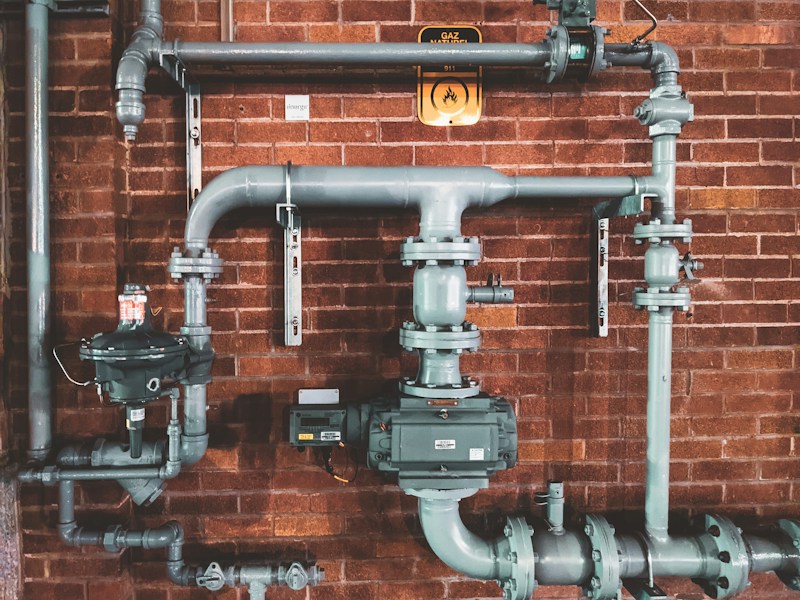
Reduced Pressure Zone (RPZ) Assemblies
- Testing frequency: Annually (minimum)
- Common applications: High-hazard connections, hospitals, laboratories
- Special considerations: Some jurisdictions require semi-annual testing
Double Check Valve Assemblies (DCVA)
- Testing frequency: Annually
- Common applications: Low to moderate hazard connections
- Maintenance notes: Less complex than RPZ but still requires certified testing
The Annual Testing Process
Understanding what happens during testing helps property owners prepare and ensure compliance. Property owners should schedule with certified testers 30-60 days before due dates, locate test cocks, notify occupants, and gather documentation.
Consequences of Non-Compliance
Failing to maintain annual testing can result in serious consequences including fines ranging from $100-$10,000, water service termination, legal liability, and insurance issues.

Best Practices for Compliance Management
Create testing schedules, maintain accurate records, choose qualified testers, and budget appropriately for testing and repairs ($75-$300 per device annually).
Taking Action: Your Next Steps
To ensure compliance: identify all backflow preventers on your property, contact your water utility for specific local requirements, schedule testing well before due dates, maintain comprehensive records, budget appropriately, and establish relationships with certified testers.
Remember that annual testing is not just a regulatory requirement—it's an essential investment in public health and safety.